As we approach 2025, understanding the top investment strategies is crucial for making informed decisions. The investment landscape is evolving, influenced by economic trends and market dynamics. This article will explore various strategies that can help you maximize your returns while minimizing risks.
Investors need to be proactive, adapting their strategies to the changing economic environment. Below, we will delve into key investment approaches that can enhance your portfolio for 2025 and beyond.
What are the best investment strategies for 2025?
Identifying the best investment strategies for 2025 involves analyzing current market conditions and forecasting future trends. One effective approach is to focus on a diversified portfolio that balances risk and reward.
Navigating market volatility will require investments in both stable and growth-oriented assets. Consider allocating a portion of your portfolio to high-yield savings accounts for security, while also exploring stock index funds for growth potential.

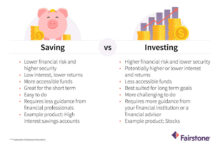


Additionally, integrating alternative investments like Treasury ETFs can offer greater diversification. The key is to tailor your strategy to your financial goals and risk tolerance.
How do high-yield savings accounts fit into investment plans?
High-yield savings accounts serve as a foundational component of a comprehensive investment plan. They provide a reliable means of growing your savings while maintaining liquidity.
Here are some benefits of incorporating high-yield savings accounts into your strategy:
- Low risk: These accounts are typically FDIC-insured, safeguarding your funds against loss.
- Accessibility: Funds can be accessed easily when needed without penalty.
- Higher interest rates: They offer better returns compared to traditional savings accounts.
In 2025, as interest rates fluctuate, having accessible funds in a high-yield account can serve as a buffer against market volatility. This strategy is particularly appealing for those seeking stability in their investment portfolios.
What are the benefits of CD ladders for investors?
Certificate of Deposit (CD) ladders can provide investors with a smart way to manage interest rate risk while ensuring consistent returns. By staggering the maturity dates of CDs, investors can take advantage of higher rates without sacrificing liquidity.
Consider these benefits of using CD ladders:
- Predictable returns: CDs typically offer fixed interest rates, making it easier to plan for future cash flows.
- Flexibility: By rolling over maturing CDs, you can reinvest at potentially higher rates.
- Safe investment: Like high-yield accounts, CDs are also FDIC-insured.
In a world of fluctuating interest rates, implementing a CD ladder strategy can enhance your investment plan and provide stability.
Which stock index funds are recommended for 2025?
Stock index funds are an excellent way to achieve broad market exposure with lower fees. They have gained popularity among investors because of their simplicity and effectiveness in tracking market performance.
For 2025, consider focusing on the following index funds:
- S&P 500 Index Fund: This fund represents a diverse range of U.S. equities, providing a solid foundation for long-term growth.
- Total Stock Market Index Fund: Offers exposure to the entire U.S. stock market, including small and mid-cap stocks.
- International Index Funds: These funds allow you to diversify beyond U.S. equities, capturing global growth opportunities.
Investing in stock index funds can help you achieve long-term financial growth while minimizing costs associated with active management.
How can Treasury ETFs help diversify your portfolio?
Treasury ETFs provide investors with a unique opportunity to diversify their portfolios by including government bonds. These funds can stabilize your investment strategy, especially during economic downturns.
The advantages of Treasury ETFs include:
- Low correlation: These funds often behave differently from stocks, providing balance during market volatility.
- Regular income: Investors can receive regular interest payments, enhancing cash flow.
- Liquidity: Treasury ETFs can be easily bought and sold on the stock exchange.
With the potential for economic uncertainty in 2025, adding Treasury ETFs to your portfolio can offer a safeguard against market fluctuations.
What risks should investors consider in 2025?
Understanding the risks involved in investing is crucial for any investor. Several factors can affect market performance and the stability of your portfolio in 2025.
Key risks to consider include:
- Market volatility: Economic conditions and geopolitical events can lead to sudden market shifts.
- Interest rate changes: Fluctuations in interest rates can impact bond prices and borrowing costs.
- Inflation: Rising prices can erode purchasing power, affecting investment returns.
Being aware of these risks allows investors to adjust their strategies accordingly and make informed decisions.
How to build a balanced investment portfolio?
Building a balanced investment portfolio requires a strategic approach to asset allocation. To create a well-rounded portfolio for 2025, consider these steps:
1. Assess your financial goals: Define your investment objectives, time horizon, and risk tolerance.
2. Diversify your investments: Spread your investments across various asset classes, including stocks, bonds, and alternatives like real estate or commodities.
3. Regularly review your portfolio: Markets change, and so should your investments. Periodically reassess your portfolio to ensure it aligns with your goals and market conditions.
By following these guidelines, you can create a portfolio that minimizes risk while maximizing growth potential.
Questions related to investment strategies for 2025
What is the best thing to invest your money in 2025?
Determining the best investment options for 2025 involves careful consideration of market trends and personal financial goals. Generally, a mix of growth stocks, high-yield savings accounts, and index funds may be wise choices.
Investing in sectors expected to perform well, such as technology or renewable energy, can also yield substantial returns. Keeping an eye on economic indicators and adjusting your strategy accordingly will enhance your investment outcomes.
What is the 7 5 3 1 rule?
The 7 5 3 1 rule is a guideline for investing that emphasizes diversification. This strategy suggests allocating 70% of your portfolio to stocks, 20% to bonds, and 10% to cash or alternatives.
Following this approach can provide a balanced risk-return profile, helping investors navigate market fluctuations while pursuing growth.
Where’s the best place to stash your money in 2025?
In 2025, the best places to stash your money may include a mix of high-yield savings accounts and CDs. These options offer safety and liquidity while earning interest.
Additionally, exploring a diversified investment portfolio that includes stock index funds and Treasury ETFs can further enhance your financial security while aiming for growth.
What is Warren Buffett investing in for 2025?
Warren Buffett, known for his value investing strategy, often focuses on companies with strong fundamentals and long-term growth potential. In 2025, he may continue to invest in sectors like technology, healthcare, and consumer goods.
His approach emphasizes finding undervalued stocks and holding them for the long term, which can serve as a valuable lesson for individual investors looking to build wealth.