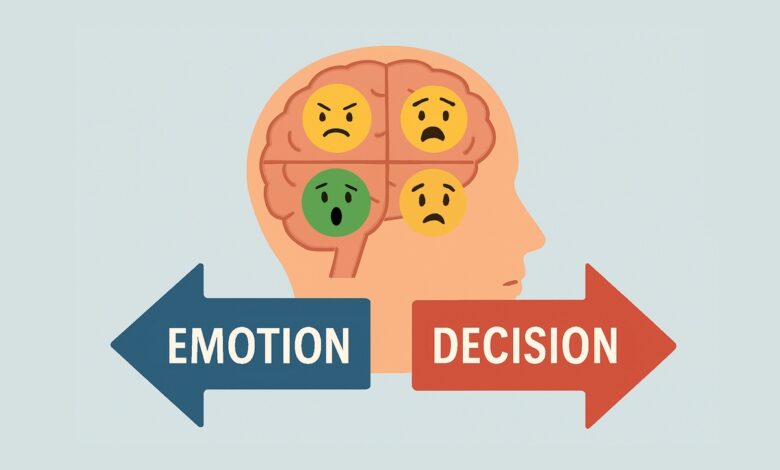
Understanding the relationship between emotions and financial decisions is crucial for anyone looking to improve their financial health. Our feelings can significantly impact how we spend, save, and invest money. This article delves into the psychology of money: how emotions affect your spending, exploring various aspects of this intricate connection.
How do emotions influence financial decisions?
Emotions are powerful forces that can shape our financial choices in ways we often overlook. For instance, feelings of fear can lead us to avoid risky investments, while joy might spur impulsive spending on luxury items.
Research has shown that emotional states can affect decision-making processes. When we are happy, we tend to take more risks, while sadness can make us more conservative. Understanding these emotional states can help in managing financial decisions.
Moreover, social comparisons often evoke feelings of inadequacy or envy, leading us to spend more to keep up with peers. Recognizing these emotional triggers is vital for developing a healthier relationship with money.


What is emotional spending and how can you manage it?
Emotional spending, often referred to as retail therapy, occurs when individuals purchase items to cope with emotions like stress or sadness. This behavior can lead to financial strain and regret. Acknowledging that we engage in emotional spending is the first step towards managing it effectively.
- Identify emotional triggers: Keep a journal to track your spending patterns and emotions.
- Set a budget: Create a spending plan that allocates funds for discretionary purchases.
- Seek alternatives: Find healthier coping mechanisms, such as exercise or hobbies, instead of shopping.
By implementing these strategies, you can bring emotional spending under control and make more intentional financial decisions.
Why are money and emotions so closely linked?
The link between money and emotions can be traced back to our upbringing and cultural backgrounds. Financial socialization plays a significant role in shaping our beliefs and behaviors regarding money.
For example, those raised in environments where money was viewed as a source of security may develop strong emotional ties to it. On the other hand, individuals from financially strained backgrounds may associate money with stress and anxiety.
The connection between emotions and money management becomes evident when we consider how feelings influence our perceptions of wealth, success, and personal worth.
What role do cognitive biases play in financial choices?
Cognitive biases are systematic patterns of deviation from norm or rationality in judgment. These biases can significantly distort our financial decisions. For instance, loss aversion makes us more sensitive to potential losses than equivalent gains, often leading to overly conservative financial choices.
- Present bias: The tendency to prioritize immediate rewards over future benefits.
- Confirmation bias: Seeking information that confirms our existing beliefs while ignoring contradictory evidence.
- Framing effect: How choices are presented can influence our decision-making processes.
Being aware of these biases allows individuals to challenge their automatic responses and make more rational financial decisions.
How can you identify your emotional spending triggers?
Identifying emotional spending triggers involves self-reflection and mindfulness. Start by keeping a log of your purchases and noting how you felt before and after each transaction.
Common triggers include periods of stress, boredom, or peer pressure. By recognizing these patterns, you can take proactive steps to avoid situations that lead to emotional spending.
Consider categorizing your emotions into different groups, such as negative (stress, anxiety) and positive (celebration, joy). This classification can help you understand the emotional context of your spending habits.
What strategies can help you control emotional spending?
Controlling emotional spending requires a combination of awareness and practical strategies. One effective technique is to establish a cooling-off period before making impulsive purchases. This pause allows you to evaluate whether the item is a genuine need or an emotional impulse.
- Practice mindfulness: Engage in activities that promote awareness of your emotions.
- Develop a support system: Share your financial goals with friends or family who can help hold you accountable.
- Utilize technology: Consider using budgeting apps to track your spending habits in real-time.
By employing these strategies, you can develop greater emotional awareness and cultivate a more mindful approach to spending.
FAQs
Questions related to the psychology of money and emotional spending
What is the psychology of emotional spending?
The psychology of emotional spending delves into how our emotions impact our financial decisions. It highlights how feelings like loneliness, stress, or happiness can trigger impulsive purchases. By understanding this psychology, individuals can better manage their spending habits and align them with their financial goals.
How does money personality affect spending behavior?
Your money personality, which encompasses your attitudes and beliefs about money, plays a significant role in your spending behavior. For example, a spender might indulge in retail therapy, while a saver may avoid unnecessary expenses. Understanding your money personality can help tailor your financial strategies to better manage your behaviors.
What is the psychology behind spending money?
The psychology behind spending money involves various emotional and cognitive factors. For instance, people often spend to fulfill emotional needs or to signal status. Recognizing these underlying motivations can help individuals make more deliberate spending choices rather than falling prey to emotional impulses.
Do emotions factor into your expenditures?
Absolutely, emotions heavily influence our expenditures. Whether it’s the thrill of buying something new or the guilt associated with overspending, emotions are at play. Acknowledging these feelings can empower individuals to make more informed decisions that align with their long-term financial well-being.
Markets and emotions
Financial markets are often driven by emotional responses, making the connection between emotions and investing particularly crucial. Market fluctuations can trigger feelings of optimism or fear, leading to potentially irrational decision-making.
Understanding the emotional landscape of the market can provide insights into investor behavior, helping individuals navigate their investments with more clarity.
Impact of emotions on personal finances
The impact of emotions on personal finances is profound. Positive emotions can lead to more effective savings and investment strategies, while negative emotions may result in careless spending.
Identifying and managing these emotional influences is essential for achieving financial stability and success.
How can you bring emotional spending under control?
Bringing emotional spending under control requires a multifaceted approach. Establishing a budget, becoming aware of your triggers, and practicing mindfulness can significantly reduce the likelihood of impulsive purchases.
Additionally, seeking professional advice can provide further insights into developing strategies tailored to your unique financial situation.